Balanced One-Week Meal Plan: What to Include Daily
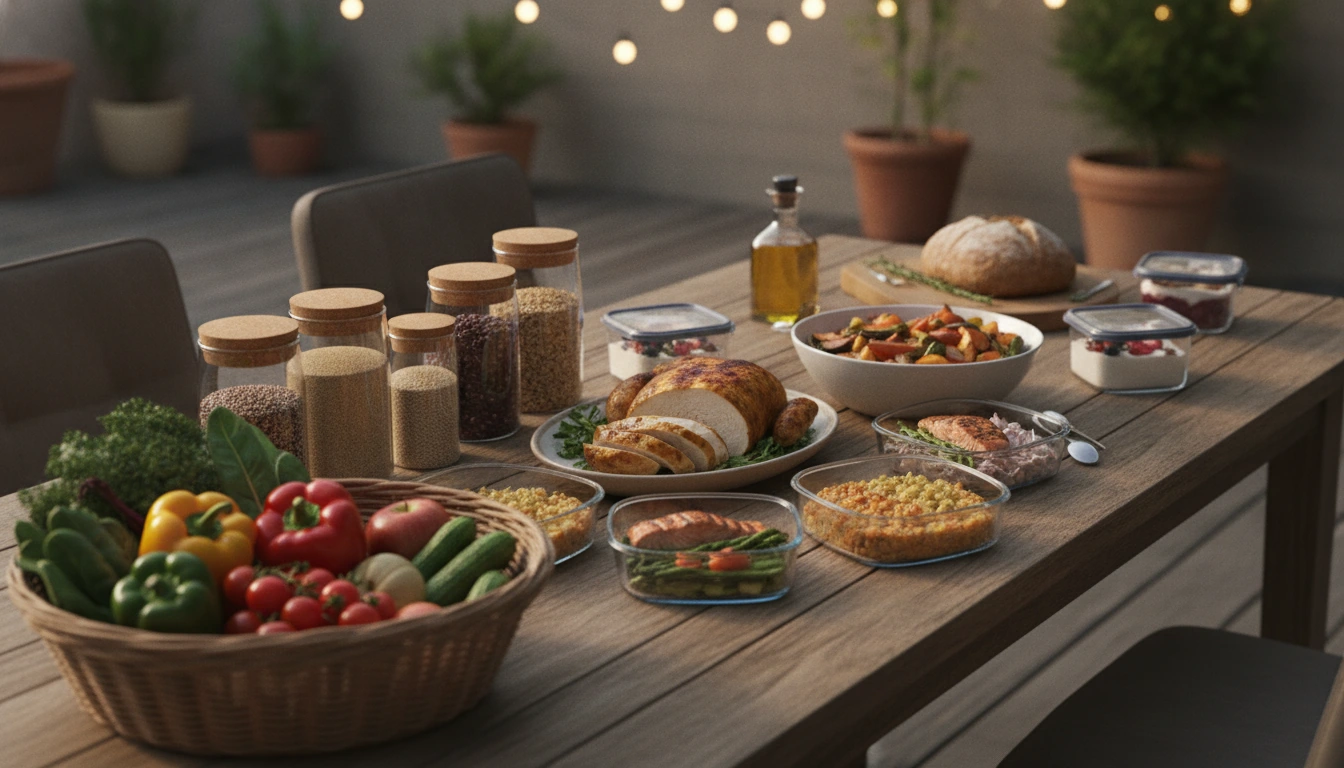
What should a healthy one-week meal plan include for balanced nutrition?
A healthy one-week meal plan should rotate a variety of whole foods so you consistently hit key nutrients without getting bored. Aim to include lean proteins, high-fiber carbohydrates, healthy fats, and plenty of colorful produce each day, then adjust portions to match your energy needs and goals.
Protein at every meal
Include a mix of protein sources across the week—chicken, fish, turkey, eggs, tofu, beans, lentils, and Greek yogurt. Protein supports fullness and muscle maintenance, and rotating sources helps cover nutrients like iron, zinc, and omega-3s.
High-fiber carbs for steady energy
Build meals around fiber-rich carbohydrates such as oats, brown rice, quinoa, sweet potatoes, whole-grain bread, and beans. Pairing these with protein and fat can help stabilize energy and keep you satisfied between meals.
Healthy fats in smart portions
Add fats from avocado, olive oil, nuts, seeds, and fatty fish. These support hormone function and nutrient absorption (especially vitamins A, D, E, and K). A small serving goes a long way—think a drizzle of oil, a small handful of nuts, or a tablespoon of seeds.
Fruits and vegetables in “color sets”
Try to include at least 2–3 fruit servings and 3–5 vegetable servings per day, choosing a range of colors across the week (greens, reds, oranges, purples). This naturally boosts vitamins, minerals, and antioxidants.
Hydration and simple “extras”
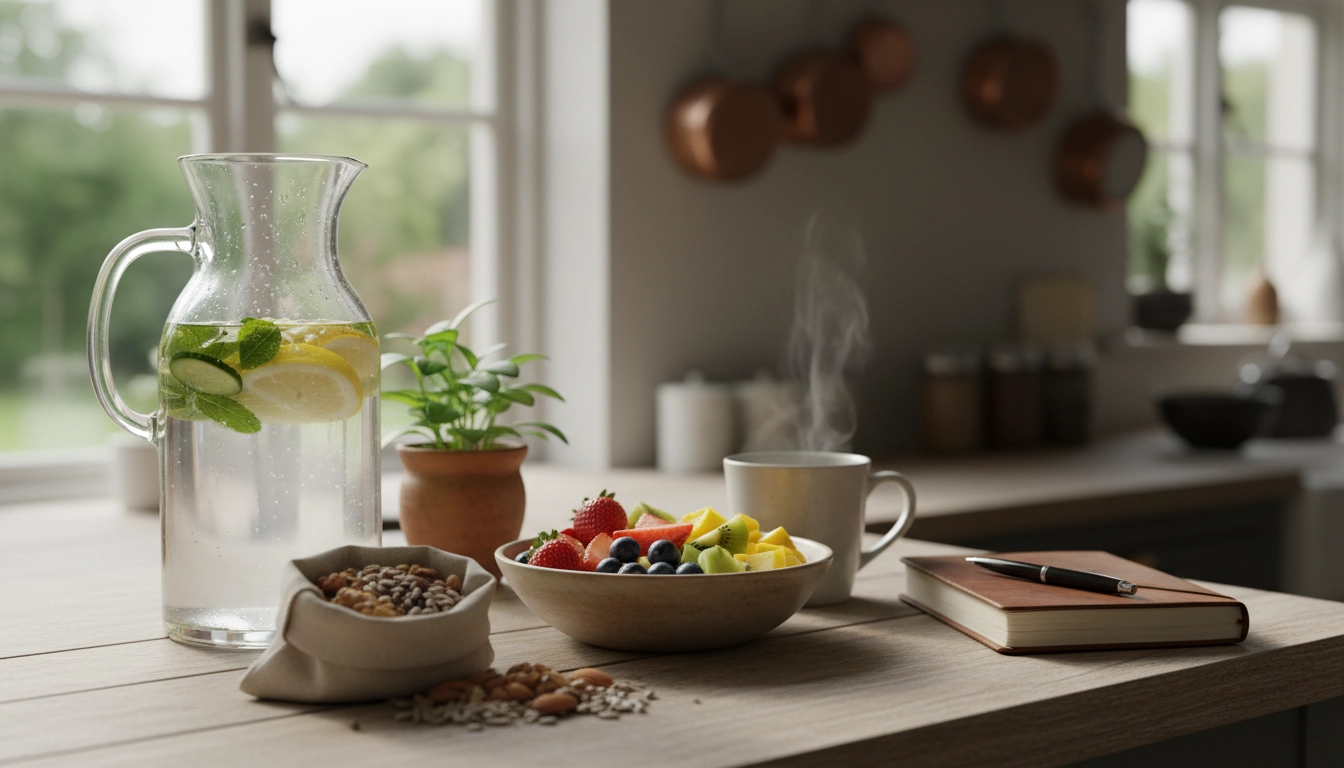
Plan water, sparkling water, or unsweetened tea/coffee, and limit sugary drinks. Round out the week with calcium-rich choices (milk, fortified plant milk, yogurt), and include a couple of quick snacks like fruit with nut butter, hummus with veggies, or cottage cheese with berries.
For a complete sample menu and prep tips, visit this healthy meal planning guide.
FAQ
How do I meal prep a week of healthy food without it getting boring?
Pick 2–3 core proteins and 2 base carbs, then change flavors with different sauces, spice blends, and veggie mixes. Rotate cooking methods (sheet-pan, slow cooker, stir-fry) and add one “fun” meal to look forward to.










Leave a comment